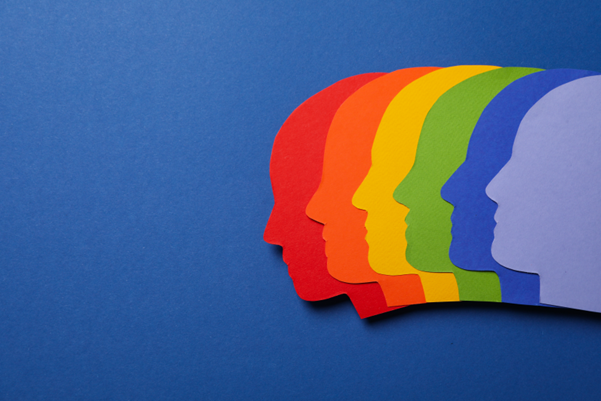

At Inner Dimension Psychology, we believe that every mind is unique – and that’s something to be celebrated. As awareness around mental health and learning differences grows, so does the understanding of neurodiversity: the idea that there’s no single “right” way for the brain to work.
Neurodiversity challenges outdated labels and frames differences in thinking, learning, and processing as natural variations in the human experience – not deficits or disorders to be “fixed.”
What Is Neurodiversity?
Coined in the late 1990s, the term neurodiversity refers to the concept that neurological differences, such as autism, ADHD, and dyslexia, are part of the normal spectrum of human variation.
Rather than pathologising these differences, the neurodiversity movement emphasizes acceptance, inclusion, and support. It recognizes that people with different brains bring different strengths, perspectives, and ways of solving problems.
Common Neurodivergent Profiles
Neurodivergence can show up in many forms. Here are a few examples:
- Autism Spectrum Disorder (ASD):May include differences in social communication, sensory processing, and patterns of interest or behaviour. Many autistic individuals are highly detail-oriented, creative, and logical thinkers.
- Attention-Deficit/Hyperactivity Disorder (ADHD):Involves differences in attention regulation, impulse control, and executive functioning. People with ADHD often bring high energy, creativity, and out-of-the-box thinking.
- Dyslexia, Dyscalculia, and Dysgraphia:These learning differences affect reading, math, and writing, respectively. Individuals may struggle in traditional academic settings but often excel in other areas such as verbal communication, problem-solving, or the arts.
Neurodivergent individuals often face challenges, but many of these challenges stem more from a mismatch with societal expectations than from the brain differences themselves.
Why a Neurodiversity-Affirming Approach Matters
Traditional approaches to mental health and education have often focused on “correcting” behaviours or helping individuals conform to a neurotypical standard. A neurodiversity-affirming approach shifts the focus from fixing to understanding, accommodating, and empowering.
At Inner Dimension Psychology, we:
- View neurological differences as natural, not inherently problematic
- Help clients identify their strengths and advocate for their needs
- Use therapy toenhance well-being, self-understanding, and self-advocacy
How Therapy Can Support Neurodivergent Individuals
Whether you’re seeking support for your child, a teen navigating identity, or you’re an adult exploring your own neurodivergence, therapy can help in meaningful ways:
- Self-understanding and acceptance– Making sense of how your brain works and building confidence
- Skill-building– Learning strategies for managing executive functioning, emotional regulation, or sensory sensitivities
- Social and communication support– Navigating relationships, setting boundaries, and developing social comfort (not “masking”)
- Family guidance– Helping parents and caregivers better support their neurodivergent loved ones
Our clinicians offer neurodiversity-affirming care rooted in respect, empathy, and a strengths-based approach.
Final Thoughts
At Inner Dimension Psychology, we’re here to help neurodivergent individuals feel seen, heard, and empowered to thrive—just as they are.
If you or a loved one are exploring neurodivergence and looking for support, contact us today to schedule a consultation or learn more about our services.